
Navigating a major family transition requires extraordinary strength, foresight, and emotional resilience. When two people decide to end their marriage, the immediate focus naturally gravitates toward real estate division, spousal maintenance, and personal healing. However, beneath these immediate concerns lies the vital framework of your child’s developmental trajectory and long-term academic growth. Ensuring that a young mind continues to thrive in school and beyond during times of domestic flux demands a clear, strategic, and highly detailed roadmap.
Education serves as the ultimate anchor for children experiencing domestic restructuring. Standard classroom routines, peer relationships, and familiar academic environments offer a reassuring sense of normalcy when their personal lives undergo profound adjustments. By prioritizing your child’s educational continuity, you are not merely funding future opportunities; you are offering them a safe emotional harbor today. Protecting this aspect of their growth requires addressing immediate care, primary schooling, enrichment activities, legal structures, and overall health to build an unbreakable foundation.
Establishing Stability in Early Childhood Education

Early childhood marks a critical period of cognitive, emotional, and social development. When family structures shift, keeping a young child’s daily schedule as predictable as possible prevents stress from interrupting key milestone achievements.
Securing Quality Early Learning Environments
Maintaining enrollment in an established local toddler preschool gives young children a structured environment where they can build vital social skills and routine resilience. These early academic settings provide predictable daily schedules, trained educators, and familiar playmates, offering comfort when home life feels uncertain. During legal negotiations, both parents should agree on keeping the child in their current program to prevent unnecessary displacement.
When searching for or maintaining such facilities, consider the following strategies:
-
Request a joint meeting with program directors to ensure both parents receive identical communications, newsletters, and tuition notices.
-
Establish clear written agreements regarding pick-up schedules, authorized emergency contacts, and who handles sudden drop-offs.
-
Evaluate the facility’s proximity to both parental residences to avoid creating exhausting commutes for young children.
Managing Daily Care Routines
Navigating work commitments while managing co-parenting schedules often makes dependable daycare essential for balancing household operations and career stability. Choosing an accredited care provider ensures that your child experiences high standards of physical safety, structured early education, and positive peer engagement. When drafting parenting plans, explicitly outline how tuition fees, enrollment deposits, and incidental costs for early learning programs will be split.
To streamline daily operations and keep routines steady, parents should implement the following steps:
-
Utilize shared digital calendars to track drop-off duties and eliminate last-minute schedule confusion.
-
Maintain duplicate sets of essential comfort items, extra clothing, and supplies at both homes so transitions remain seamless.
-
Keep open lines of polite communication with caretakers, ensuring they are informed of living situation updates without involving them in personal disputes.
Funding Flexible Support Systems
Beyond traditional early learning centers, modern professional environments often necessitate flexible, short-term, or drop-in childcare services to handle unexpected work shifts, legal appointments, or co-parenting transitions. Establishing a shared pool of trusted, background-checked caregivers provides a reliable safety net when unexpected schedule shifts happen.
To make the most of these auxiliary support services, consider these practical adjustments:
-
Draft a clear financial agreement detailing how ad hoc care expenses are authorized and reimbursed by each parent.
-
Create a shared document detailing the child’s bedtime routines, dietary restrictions, and comforting habits for external caregivers.
-
Verify that all casual or on-demand care providers are comfortable operating within the parameters of a split-household dynamic.
Safeguarding School-Age Learning and Enrichment
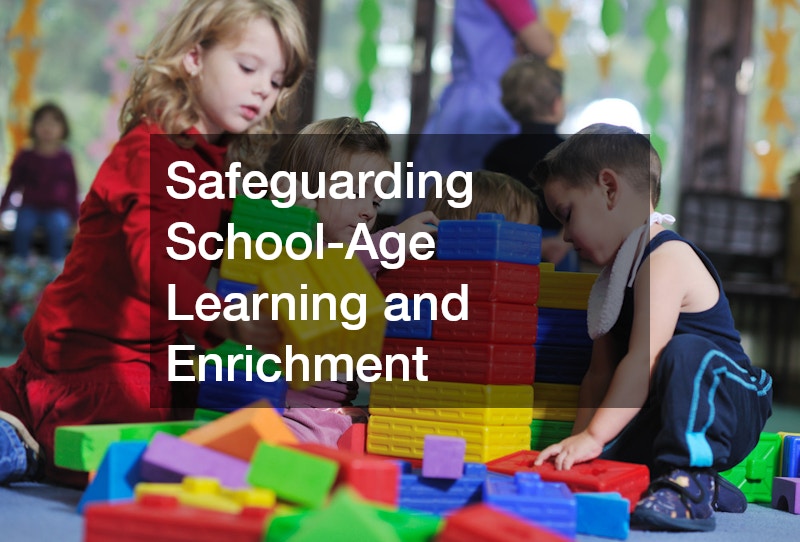
As children grow, their educational needs expand beyond basic supervision into specialized academic tracks, artistic development, and organized athletic pursuits. Preserving access to these enriching spaces preserves their self-esteem and peer connections.
Maintaining Academic Continuity and Private Education
If a child is enrolled in specialized private schools, maintaining tuition payments must be treated as a central priority during financial settlement negotiations. These institutions often offer specialized curriculums, smaller class sizes, and tight-knit communities that children depend on for stability. Sudden transfers out of preferred educational environments due to unexpected budget cuts can trigger deep feelings of isolation and academic setbacks.
To safeguard continuous enrollment in specialized academic tracks, parents ought to:
-
Formalize tuition responsibility clauses in the final marital agreement, specifying exact percentage contributions from each party.
-
Investigate early-payment discounts, merit-based scholarships, or school-administered financial aid options designed for changing family circumstances.
-
Direct the school’s administrative office to bill each parent directly or maintain a dedicated, joint educational trust account.
Preserving Extracurricular and Seasonal Experiences
Summers can present unique scheduling challenges and emotional gaps for children adjusting to new family dynamics. Enrolling children in high-quality summer camps preserves healthy social growth, encourages outdoor activity, and prevents the academic slide often experienced during long breaks. These programs provide structured environments where kids can explore new interests and bond with peers away from domestic tension.
To keep seasonal enrichment uninterrupted, consider the following tactical approaches:
-
Plan camp selections and registration timelines months in advance, incorporating input from both parents to avoid scheduling overlaps.
-
Proactively divide seasonal costs, including non-refundable deposit fees, uniform requirements, and specialized equipment costs.
-
Ensure both parents are added to emergency release forms, medical clearance logs, and daily transportation rosters.
Fostering Positive Peer Networks
As children reach adolescence, peer support networks become increasingly essential for processing stress and cultivating personal identity. Encouraging ongoing involvement in a constructive youth group provides a safe, supportive environment with positive mentorship and strong community ties. These outside social circles offer an important outlet where kids can build confidence separate from family transitions.
To actively support your child’s community involvement, both parents can follow these recommendations:
-
Respect the child’s extracurricular calendar across both households, preventing personal custody schedules from overriding group events.
-
Coordinate transportation responsibilities amicably, ensuring the child never misses meetings, retreats, or service projects.
-
Engage positively with group leaders, confirming that both parents receive updates, permission slips, and event invitations.
Navigating Legal Structures and Professional Guidance

Translating educational priorities into binding, permanent protections requires precise legal draftsmanship and realistic financial planning. Without formal agreements, even the most well-intentioned verbal promises can fall apart under future financial pressures.
Securing Specialized Family Legal Representation
Drafting an enforceable, detailed parenting plan requires the technical knowledge and objective perspective of a skilled local divorce attorney. A professional familiar with regional family courts understands how local judges handle educational cost splits, extracurricular expenses, and post-secondary funding. They translate your educational goals into clear legal language that protects your child’s long-term rights.
When working alongside legal counsel to secure your child’s educational future, follow these steps:
-
Compile a comprehensive paper trail of current educational expenses, tuition schedules, tutoring costs, and projected future fees.
-
Request specific clauses in the settlement that define how decisions regarding private tuition, tutoring, and college will be made jointly.
-
Establish clear dispute-resolution protocols, such as mandatory mediation, to handle future educational disagreements without costly court battles.
Protecting Legal Rights and Decision-Making Authority
Beyond financial planning, resolving legal and physical custody matters determines who holds the authority to choose schools, approve special education plans, and access academic records. Partnering with a dedicated custody lawyer ensures that your parental rights to participate in major educational decisions are fully protected. Clarifying decision-making roles early prevents bitter administrative gridlock when school enrollment deadlines approach.
To build an enforceable framework for educational choices, ensure your legal strategy incorporates the following:
-
Advocate for joint legal decision-making authority specifically tailored to education, ensuring both parents must consent to school changes.
-
Include provisions mandating that both parents have full, direct access to report cards, teacher portals, and educational testing results.
-
Define precise geographic boundaries within the agreement to prevent one parent from moving the child out of their current school district.
Supporting Holistic Health and Medical Well-Being

A child’s ability to focus, absorb new material, and succeed in school depends directly on their physical health and emotional wellness. Unexpected medical issues or neglected healthcare can quickly derail academic progress, leading to avoidable school absences.
Maintaining Routine Dental Care
Oral health plays a surprisingly significant role in a child’s school attendance and classroom performance. Untreated dental pain, cavities, or misaligned teeth can cause severe discomfort, distraction, and missed school days. Partnering with a compassionate family dentist ensures that routine cleanings, preventive treatments, and restorative procedures continue without interruption.
To manage health maintenance efficiently across two households, implement the following actions:
-
Maintain a single, shared healthcare calendar to schedule semi-annual checkups, cleaning appointments, and follow-ups.
-
Designate which parent carries the primary dental insurance policy and outline how uncovered, out-of-pocket expenses are split.
-
Provide the dental practice with updated contact information, emergency consents, and residential addresses for both parents.
Handling Specialized Oral Healthcare Needs
As children transition into adolescence, orthodontic needs, wisdom teeth evaluations, and specialized oral surgeries often arise. Coordinating with qualified pediatric dentists ensures that complex treatments are planned smoothly alongside academic schedules. Addressing these healthcare needs promptly prevents chronic issues from impacting a child’s self-esteem and school performance.
To navigate specialized dental care effectively, keep these practical points in mind:
-
Seek written, mutual agreement before initiating non-emergency, multi-phase orthodontic treatments or elective procedures.
-
Coordinate appointment schedules during school holidays or early mornings to minimize classroom absences and academic disruption.
-
Ensure both parents have access to payment portals, treatment plans, and post-procedure care instructions.
Long-Term Financial Planning for Higher Education
Protecting early learning and K-12 education lays a strong foundation, but securing higher education funding requires proactive, long-term financial planning. College tuition and vocational training costs continue to rise, making it essential for divorcing parents to establish clear, legally binding savings strategies early on.
Structuring Dedicated Educational Accounts
A major risk during marital division is that existing college savings, such as 529 plans or educational trusts, might be treated as standard marital assets and liquidated. Protecting these funds ensures they remain dedicated entirely to your child’s future studies.
To safeguard existing educational savings, consider incorporating these legal steps into your settlement:
-
Freeze existing 529 accounts during proceedings to prevent unauthorized withdrawals or changes in beneficiary status.
-
Stipulate in the final decree that educational savings must remain in dedicated accounts, designating a neutral third party or joint custodians to oversee withdrawals.
-
Establish explicit monthly or annual contribution obligations for each parent, adjusting for inflation and income shifts over time.
Preparing for Post-Secondary Financial Realities
Beyond dedicated savings accounts, explicit agreements should address how college application fees, standard tuition balances, housing, books, and living stipends will be covered when the time comes. Many state courts do not automatically enforce post-secondary educational support unless it is explicitly written into the divorce agreement.
To create an adaptable, effective post-secondary financial plan, implement these strategic actions:
-
Include an income-proportional formula in your settlement that dictates how future college expenses will be shared based on earnings at the time of enrollment.
-
Set reasonable parameters around college selection, requiring the child to apply for scholarships, grants, and work-study opportunities to offset costs.
-
Require both parents to fully cooperate during the annual completion of federal financial aid applications, ensuring all income data is disclosed accurately and on time.
Ensuring your child’s educational future during a divorce requires a balance of legal foresight, financial clarity, and ongoing parental collaboration. By securing early learning environments, protecting school-age activities, enforcing structured legal agreements, and prioritizing physical health, you create a steady path for your child to thrive. Education remains one of the most powerful tools for building stability, confidence, and long-term success. Through proactive planning and dedicated co-parenting, you can protect your child’s academic journey, giving them the freedom to learn, grow, and achieve their dreams.
Ultimately, protecting your child’s educational trajectory is one of the greatest investments you can make during a period of family restructuring. While the process of untangling two lives presents natural challenges, keeping your child’s academic growth and personal development at the center of your decisions provides them with a clear sense of purpose and stability. By taking thoughtful, proactive steps today to secure their schooling, health, and future ambitions, you show your child that their potential remains limitless. With cooperation, foresight, and clear boundaries, you can build a strong foundation that empowers your child to excel for years to come.