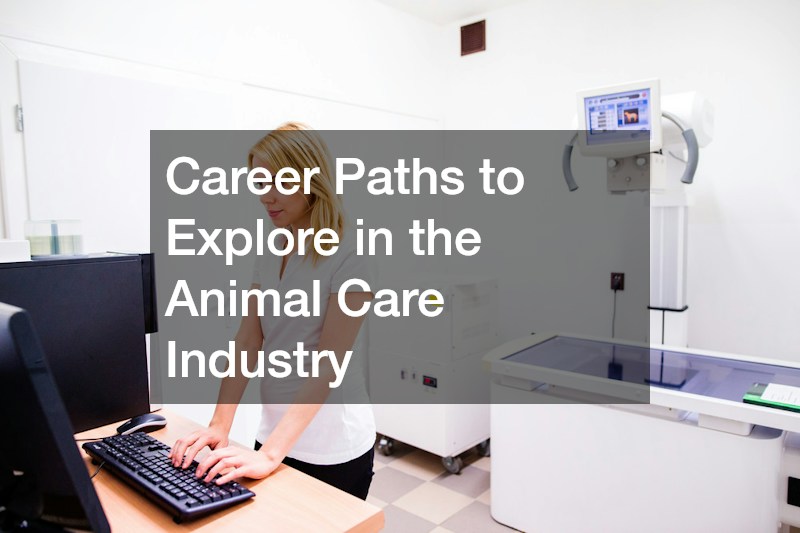
A career working with animals can be rewarding, but the industry is much broader than many people initially realize. Veterinary medicine is one well-known path, yet animal care also includes technical support, emergency medicine, facility management, equine care, client services, animal welfare, product sales, and numerous other roles.
Choosing the right path requires looking beyond a love of animals. Daily responsibilities may involve cleaning, recordkeeping, customer communication, physical work, difficult medical situations, and irregular schedules. Some careers require years of formal education, while others offer opportunities to begin working with animals relatively quickly and build skills through experience.
Before committing to a specific degree or career path, consider what type of work you actually enjoy. Do you prefer solving medical problems, working directly with animals, helping clients, organizing operations, or spending time outdoors? Your preferred environment can be just as important as the job title itself.
Real-world experience is one of the best ways to answer these questions. Volunteering, shadowing professionals, or taking an entry-level position can reveal what animal-care work is really like and help you identify a path that fits your interests, abilities, and long-term goals.
Gain Hands-On Experience Before Choosing a Specialty

Before investing heavily in education or training, spend time inside the type of workplace you are considering. Seeing the daily routine firsthand can provide a much clearer picture than reading job descriptions online.
Students and career changers can look for opportunities such as:
- Job shadowing
- Shelter volunteering
- Kennel assistance
- Veterinary assistant work
- Reception positions
- Animal boarding support
- Internship programs
Observing local veterinarians can be particularly useful for anyone considering clinical medicine. You may see examinations and treatments, but you will also witness the less visible parts of the job, including documentation, client education, sanitation, scheduling, and discussions about difficult medical decisions.
A typical animal hospital also depends on far more than doctors alone. Depending on the facility, the staff may include veterinary technicians, assistants, receptionists, kennel attendants, inventory coordinators, practice managers, and other support professionals.
Entry-level positions can therefore serve two purposes. They allow you to begin gaining animal-care experience while helping you determine whether additional education is worthwhile.
Pay attention to what you enjoy during these experiences. Ask yourself:
- Do I enjoy medical environments?
- Am I comfortable around blood, injuries, and illness?
- Do I like explaining information to owners?
- How do I respond when people are upset?
- Do I prefer technical tasks or animal handling?
- Would I enjoy managing operations rather than providing clinical care?
Basic professional skills matter regardless of the path you eventually choose. Reliability, communication, organization, patience, and attention to detail are valuable throughout the industry.
Keep a record of your experiences as well. If you later apply to veterinary school, a technician program, or another professional course, documented hours and strong references can strengthen your application.
Most importantly, use early experience to test your assumptions. Loving animals is a great starting point, but experiencing the daily responsibilities is what helps turn that interest into an informed career decision.
Test Whether High-Pressure Medical Work Fits Your Personality
Emergency animal care offers a very different working environment from routine appointments. The pace can change instantly, and staff may move from a relatively quiet period to several critical patients arriving at once.
Working alongside an emergency vet can expose you to situations such as serious injuries, breathing difficulties, toxic ingestion, seizures, severe gastrointestinal problems, and other conditions requiring rapid evaluation.
Emergency facilities need professionals in several roles, including:
- Veterinarians
- Veterinary technicians
- Veterinary assistants
- Triage staff
- Reception and client-care specialists
- Overnight patient-care staff
Strong technical knowledge is important, but emotional control and communication skills can be just as valuable. Pet owners arriving with an injured or critically ill animal may be frightened, upset, or confused. Staff members must communicate clearly while continuing to focus on patient care.
People who perform well in urgent environments often share certain qualities:
- They remain calm when priorities change quickly.
- They can organize several tasks at once.
- They communicate clearly under pressure.
- They pay close attention to details.
- They can work effectively with a team.
- They are comfortable with nontraditional schedules.
If you are considering this area, try to shadow or speak with staff at a local emergency vet before making it your career focus. Ask about night shifts, weekend work, emotional demands, and how staff members manage difficult cases.
Emergency medicine can also be emotionally challenging. Not every patient can be saved, and professionals may frequently interact with families facing painful decisions. Developing healthy boundaries, supportive relationships with coworkers, and appropriate ways to decompress after difficult shifts is important.
At the same time, urgent care can be highly rewarding for people who enjoy problem-solving and fast-paced clinical work. Employees often develop strong assessment and technical skills because they encounter a wide variety of conditions.
Experience in an emergency setting can also transfer well to other positions later. Even if you eventually move into general practice or another specialty, the ability to prioritize, communicate clearly, and stay composed in stressful situations remains extremely useful.
Understand the Education Behind Clinical Career Options

Animal health careers exist at several educational levels, which means you can choose a path based on the type of responsibility you want and the amount of training you are prepared to complete.
Veterinary assistants commonly support doctors and technicians with animal handling, cleaning, appointment preparation, and general patient care. Requirements vary by employer, and some positions provide substantial on-the-job training.
Veterinary technicians and technologists typically complete specialized education and may need to meet licensing or credentialing requirements depending on where they work. Their responsibilities can include laboratory procedures, anesthesia monitoring, imaging, patient care, and assisting with medical treatments.
Becoming an animal doctor requires a considerably longer educational commitment. The process generally involves undergraduate preparation, professional veterinary education, and meeting applicable licensing requirements.
Before choosing this route, research:
- Prerequisite courses
- Admission requirements
- Tuition and fees
- Length of the program
- Clinical experience expectations
- Licensing requirements
- Potential student debt
- Career opportunities after graduation
Professional veterinarians can also work in many areas beyond traditional companion-animal practices. Potential career settings include agriculture, equine medicine, wildlife care, public health, research, government agencies, laboratories, and industry.
Some professionals continue their education after veterinary school to pursue specialties involving surgery, internal medicine, oncology, dermatology, emergency care, or other areas.
Academic preparation is important, but clinical work also demands strong interpersonal skills. Animal health professionals frequently need to explain complicated information to people who may be worried or emotional.
Useful skills include:
- Clear communication
- Accurate documentation
- Ethical decision-making
- Time management
- Empathy
- Teamwork
- Problem-solving
Before committing to years of education, speak with several people already working in the profession. Ask what they enjoy, what they find difficult, and whether the reality of the job matched what they expected as students.
Different professionals may offer very different perspectives. Hearing several of them can give you a more balanced picture of the career.
Look Beyond Clinical Roles for Other Ways to Help Animals
You do not need to diagnose illnesses or perform medical procedures to build a meaningful career working with animals.
An animal care center, boarding facility, shelter, rescue organization, or similar operation may employ people in roles involving feeding, enrichment, grooming support, adoption coordination, facility management, customer service, and animal supervision.
These positions directly affect animal well-being even when they are not medically focused.
Daily responsibilities may include:
- Preparing food
- Cleaning enclosures
- Monitoring animal behavior
- Recording medications
- Scheduling services
- Maintaining supplies
- Communicating with owners
- Coordinating staff
- Organizing adoption records
Administrative work can also develop into a substantial career. Someone who starts at a reception desk may eventually move into office management, practice administration, inventory management, or client-service leadership.
If you are trying to locate workplaces for job shadowing, volunteering, or entry-level employment, even a search for veterinarians near me can provide a useful starting list of nearby practices. Contact several facilities because workplace culture, staffing structures, and available positions can differ considerably.
When reaching out, ask about:
- Volunteer opportunities
- Entry-level openings
- Shadowing policies
- Required certifications
- Training provided
- Advancement opportunities
Support positions can also become stepping stones into technical careers. A kennel attendant might become a veterinary assistant, and an assistant may later pursue formal training as a technician.
However, these jobs should not automatically be viewed as temporary. Practice management, animal handling, boarding operations, client service, and facility coordination can all become long-term career specialties in their own right.
Think about which type of responsibility suits you. Someone who enjoys organization and communication may thrive in operations, while another person may prefer spending most of the day directly caring for animals.
There are many ways to contribute to animal welfare, and clinical medicine is only one of them.
Explore Equine Work and Careers Outside Small-Animal Practice
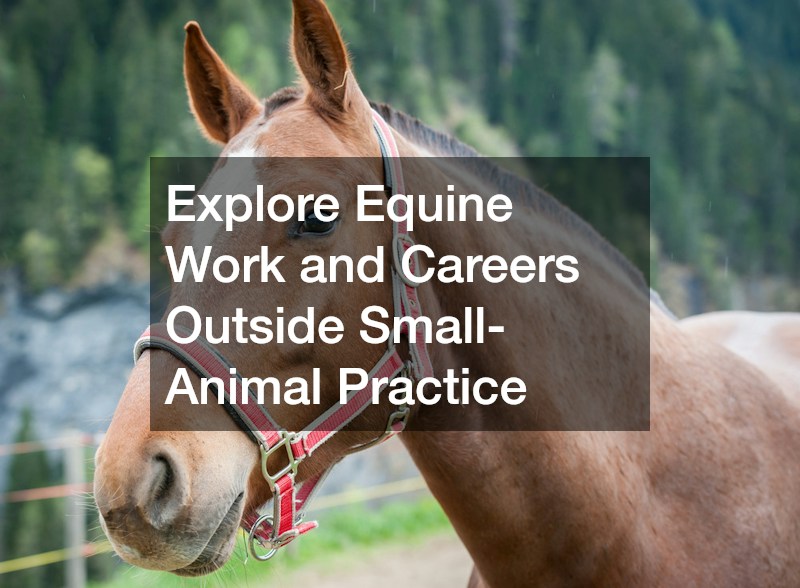
People interested in horses, livestock, or outdoor work may find that large-animal careers offer a better fit than traditional companion-animal settings.
Equine facilities require a wide range of workers, including barn managers, stable hands, veterinary assistants, technicians, trainers, farriers, nutrition specialists, and operations staff.
Daily work can include:
- Feeding
- Cleaning stalls
- Monitoring behavior
- Handling horses
- Maintaining equipment
- Basic first aid
- Recordkeeping
- Coordinating veterinary visits
Even routine supplies matter in large-animal environments. Understanding horse bedding products, for example, can be relevant to barn management because bedding affects stall sanitation, moisture management, animal comfort, labor requirements, and overall facility maintenance.
This illustrates another important point: the animal industry includes careers with companies that supply farms, clinics, boarding facilities, and other operations. People with animal experience may find opportunities in product sales, distribution, nutrition, equipment, marketing, or customer education.
A mixed-practice or large-animal animal hospital may also offer a very different working experience from a small-animal clinic. Staff may travel to farms, work outdoors, handle larger patients, or assist with procedures that require different equipment and safety techniques.
Before choosing this path, gain firsthand experience with large animals. Equine work can involve early mornings, weekend responsibilities, physical labor, outdoor conditions, and heavy equipment.
Safety training is especially important. Horses and livestock are powerful animals, and even calm animals can react unexpectedly.
If you enjoy animals but are also interested in business, consider combining those interests. Careers may exist in:
- Agricultural sales
- Animal nutrition
- Facility operations
- Product development
- Logistics
- Marketing
- Equipment distribution
The ability to understand both animal-care needs and business operations can make you valuable to employers that support the industry rather than provide direct clinical care. This combination can be especially useful in roles involving product sales, customer support, inventory management, training, marketing, logistics, or account management. Employers may value candidates who can communicate confidently with veterinary professionals, barn managers, facility owners, and animal-care teams because they understand both the practical challenges of the work and the business side of providing solutions.
Building knowledge in areas such as purchasing, customer service, operations, or sales can also create opportunities for career advancement without requiring a clinical degree. For someone who enjoys the animal-care field but prefers strategy, communication, or business development, these roles can offer a strong alternative path.
Build a Career Around the Work You Actually Enjoy

The animal care industry offers far more options than a single traditional career path. Clinical medicine, emergency care, technical support, facility operations, equine work, administration, animal welfare, and animal-related businesses all need people with different strengths and backgrounds.
The best way to identify where you belong is to experience the work before making major educational or financial commitments. Volunteer, shadow professionals, take a part-time position, or apply for an entry-level role that gives you direct exposure to the environment you are considering.
Pay attention to the less glamorous parts of the job as much as the rewarding ones. Animal-care careers may include cleaning, physical labor, difficult conversations, irregular hours, extensive documentation, and emotionally challenging situations.
Consider what you want from your career as well. Think about your preferred schedule, education budget, advancement goals, desired income, physical abilities, and the type of workplace in which you perform best.
Your first position does not have to determine your entire career. Experience gained in one area can lead to technical training, management, education, sales, operations, or another specialty later.
By exploring several environments and learning what the work actually involves, you can choose a path that combines your interest in animals with a career that remains practical, sustainable, and fulfilling over the long term.